
MOBILITY AIDS Buying Guides
Mobility aids that fit real life
Mobility can change in an instant — a fall, a stroke, or a recovery from surgery can reshape how a person moves through their own home overnight. Steps that posed no challenge before become serious hazards, and the right mobility aid becomes as essential as any piece of furniture. This guide covers all of it: the right aids, the right modifications, and how to choose confidently for any situation.
start here
Mobility Selection Guide
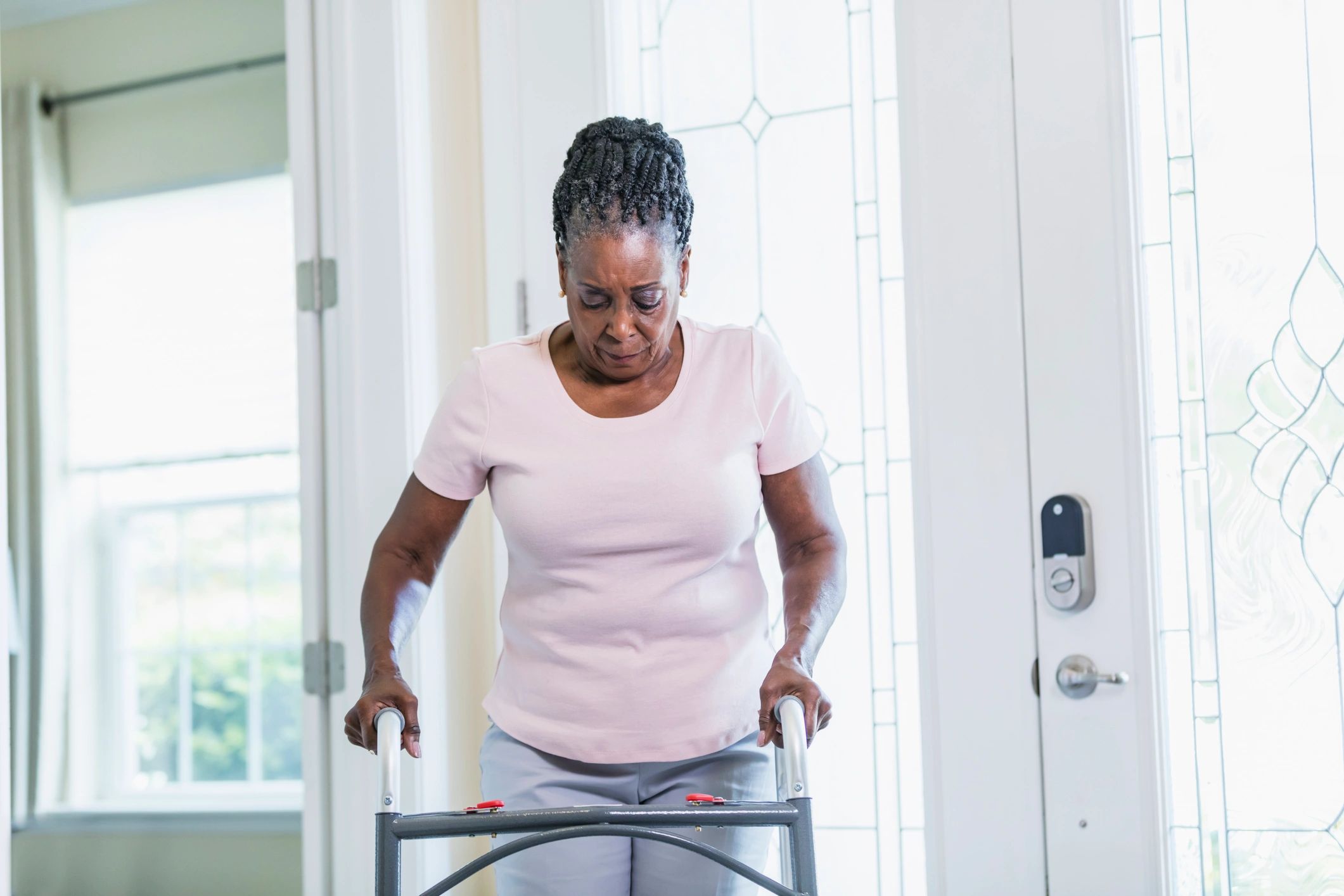
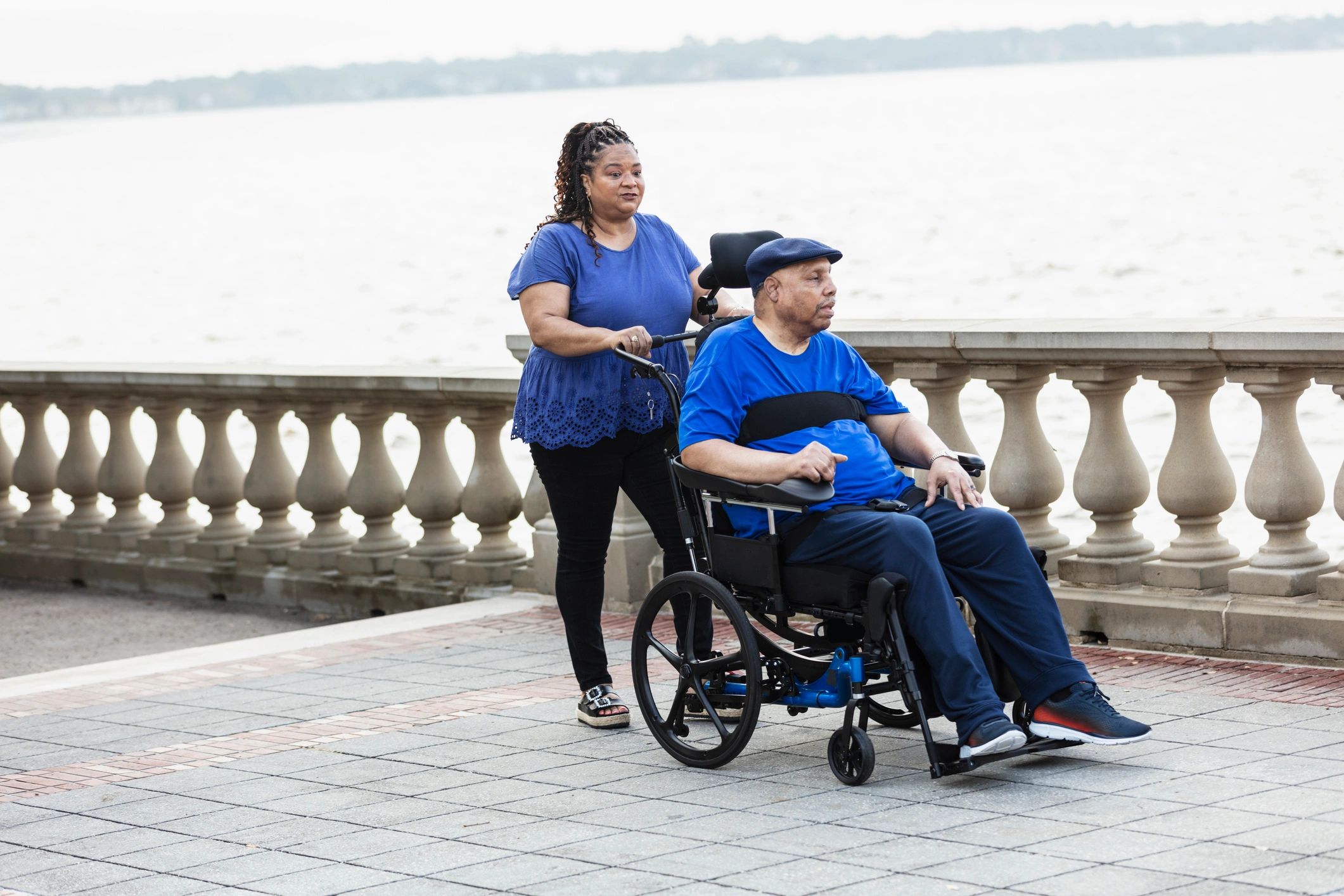
The right mobility aid matches the person’s specific situation: a standard walker for early recovery and balance support, a rollator for those who need to move more freely and have a place to rest, and a wheelchair when sustained walking is not yet possible or safe. Portable and threshold ramps complete the picture by removing the physical barriers at doorways, steps, and curbs.
From the blog
Fall Prevention & Safety
Check out more information through our blog on the “Sandwich Generation”
Best-of guides
Practical Mobility Product Reviews
Start with these high-impact categories. Each guide covers sizing, key features, safety notes, and what to skip.


FAQ
Common Mobility Questions
Should I start with a walker, rollator, or wheelchair?
Start with the aid that matches how much support and endurance the person has. A walker is often best for maximum stability, a rollator can work well for people who walk but need a seat and smoother movement, and a wheelchair may be better when walking longer distances is no longer realistic. AgingWell’s Walker vs. Rollator vs. Wheelchair guide is the best first stop if you are comparing these options.
When is a cane enough support?
A cane may be enough when someone needs light balance help on one side but can still walk independently. If they are leaning heavily, feeling unsteady, or avoiding longer walks, it may be time to look at a walker or rollator instead. For lighter support, see Best Walking Canes, and for more stability compare options in Best Walkers.
How do I know if a ramp is the right next step?
A ramp becomes important when steps are making entry or exit unsafe, tiring, or unrealistic with a walker or wheelchair. Portable ramps can help with temporary or travel needs, while permanent ramps may be better for daily home access. AgingWell’s Portable vs Permanent Ramps guide can help you decide which setup fits better.