
Medication Organization Buying Guides
Practical checklists, routines and tools to help track medications, reduce missed doses and make refills less stressful -for seniors and caregivers

Start here
Build a safer routine
A clear and simple medication organization system helps prevent mix-ups and makes it easier to communicate with clinicians. Use this quick checklist to set up a routine you can maintain.
Create one master medication list
Choose a schedule you can follow
Set reminders and backup plans
Review changes periodically and after every doctor visit
Tools
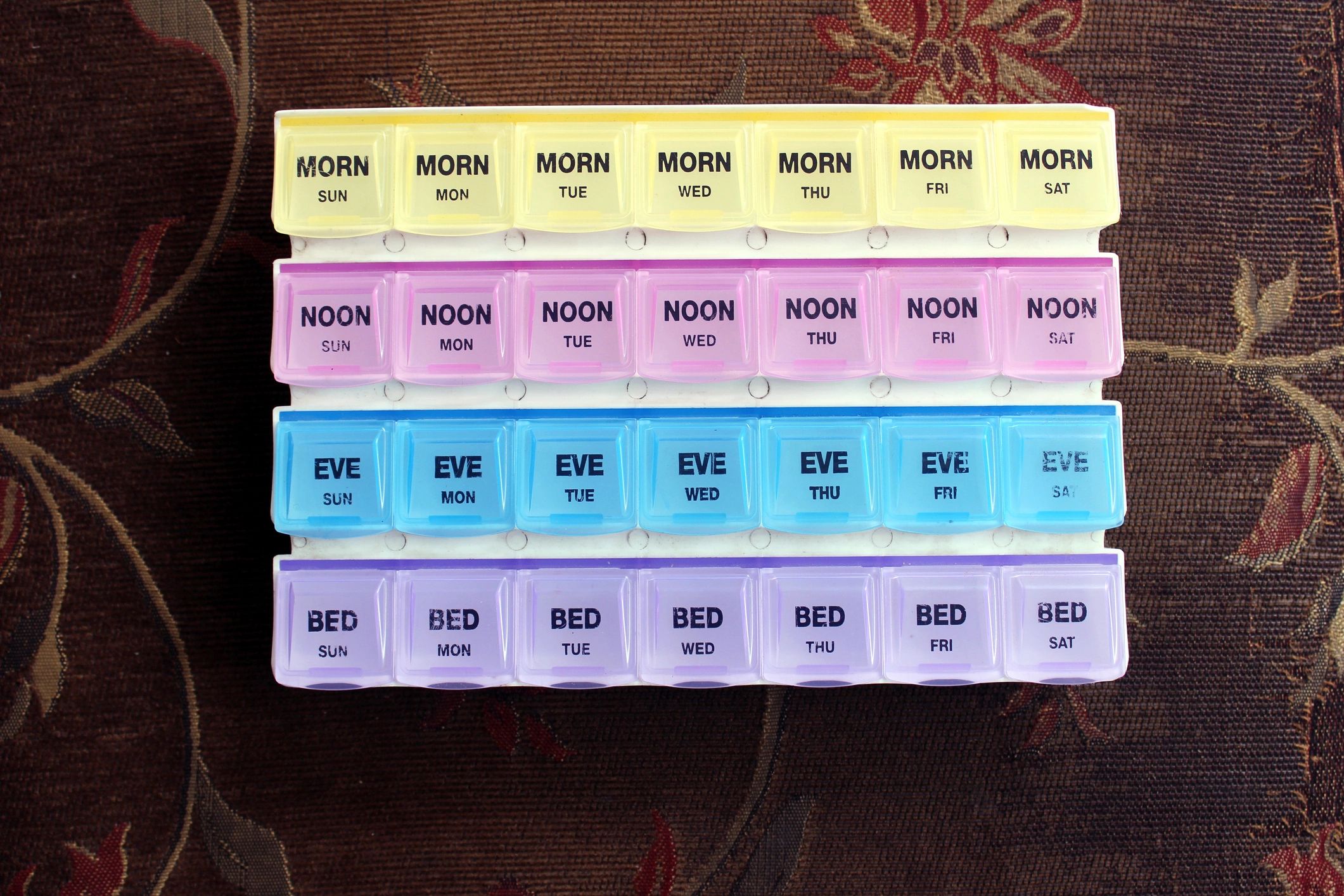
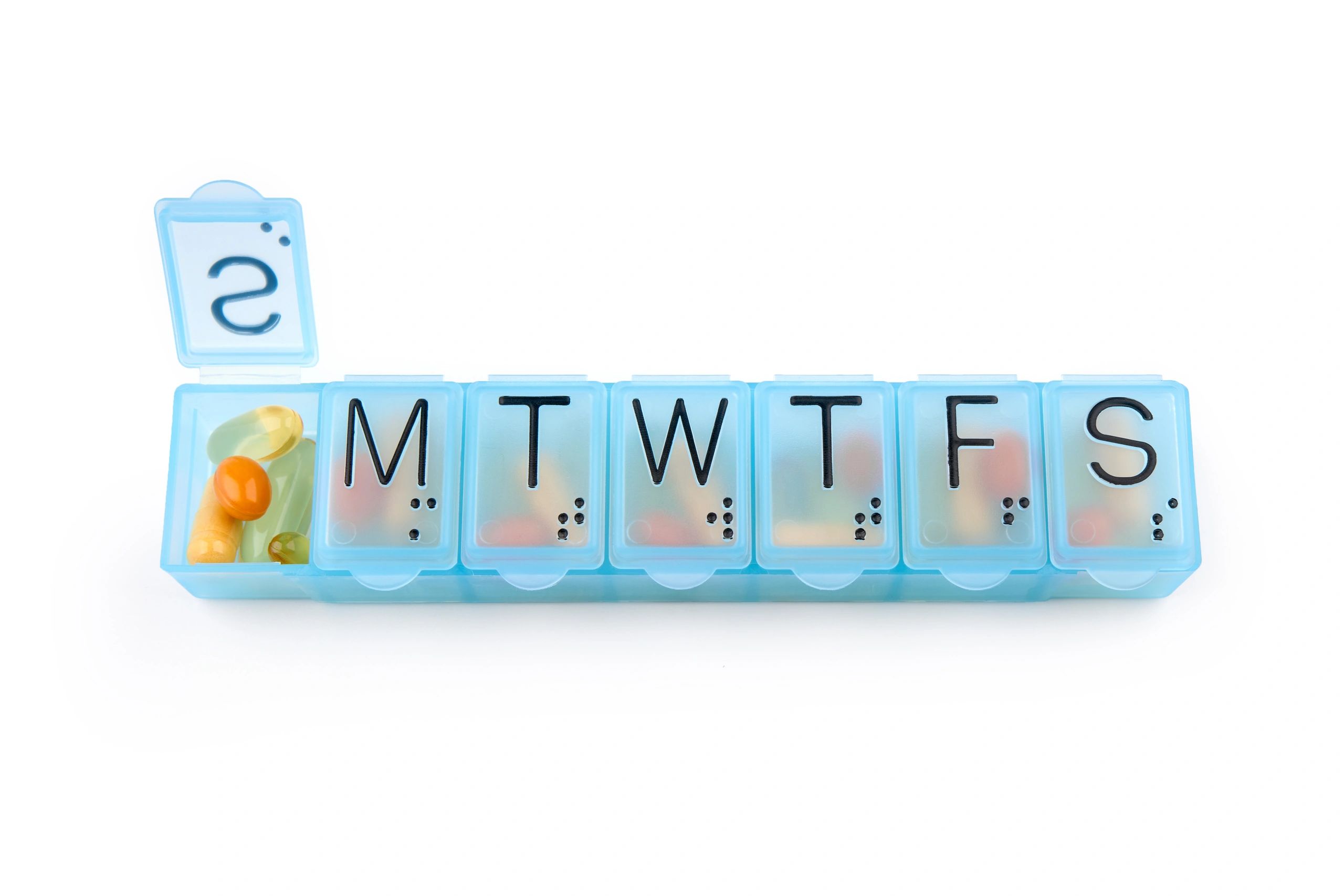
Pick the right medication organizer
Different needs call for different setups. Use these resources to match tools to dexterity, vision, memory, and number of daily doses.
Unsure about the options read our guide to the different medication organizers
How-to
Habits that reduce errors
One source of truth
Keep a single, up-to-date list of prescriptions, OTC meds, and supplements—including dose, timing, and prescriber.
Simple timing
Align doses with daily anchors (breakfast, bedtime) when clinically appropriate. Fewer time windows means fewer misses.
Refill planning
Track refill dates and pharmacy contact info. Aim to request refills 5–7 days before running out.
Safety checks
Use one pharmacy when possible, ask about interactions, and confirm changes after hospital or specialist visits.
How we evaluate
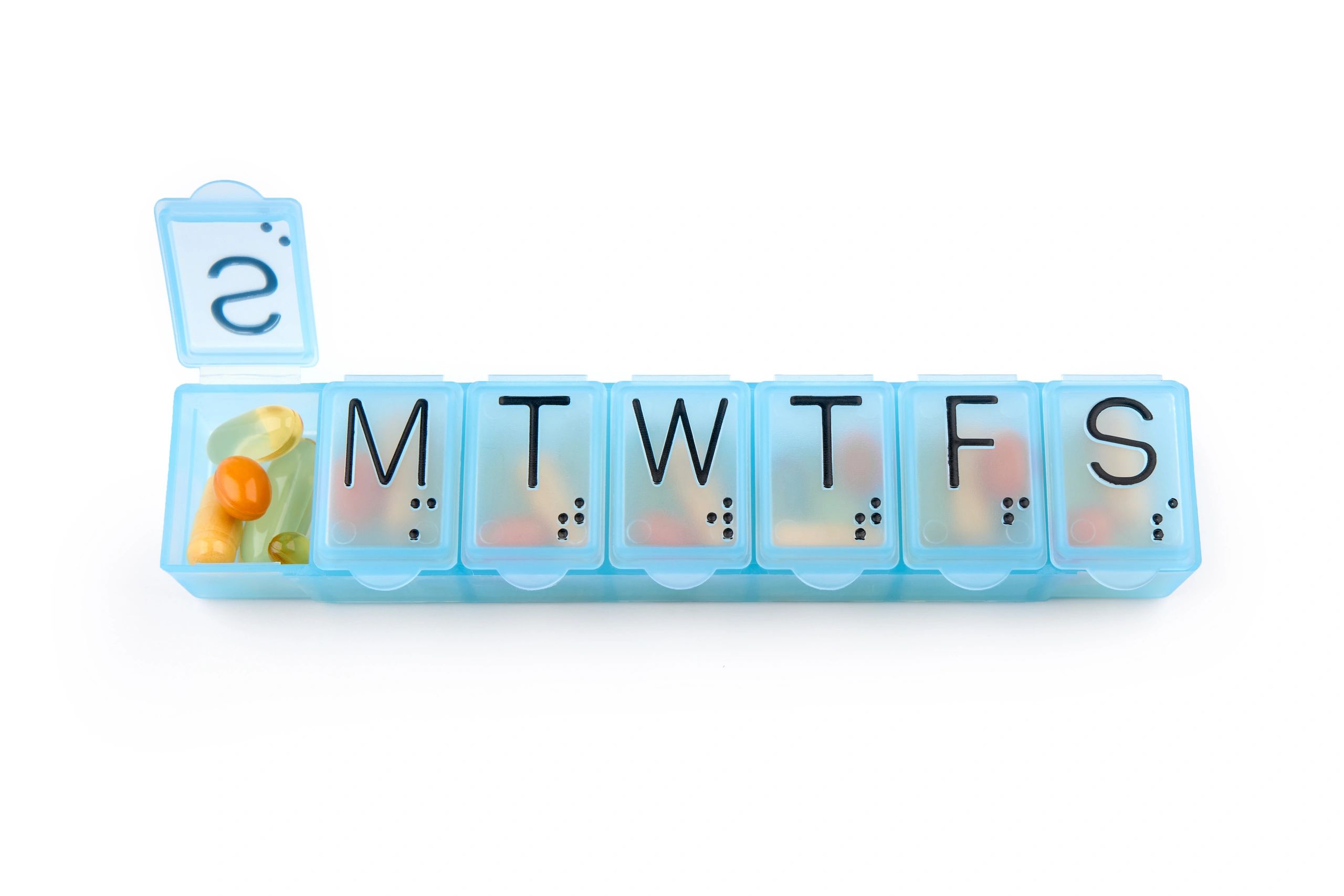
What to look for in medication organizers
FAQ
Common questions about medication organizers
General information only—not medical advice. For medication changes or safety concerns, consult a pharmacist or clinician.