
Last Reviewed: April 2026
Fall Prevention in Seniors: Make the Home Safe
A Practical Guide
Affiliate Disclosure: This page contains affiliate links. If you click and buy, we earn a small commission at no extra cost to you. This never influences our recommendations.
Falls are the leading cause of injury among adults over age 65, and they are far more common than most families realize. The Centers for Disease Control and Prevention estimates that one in four older Americans falls each year, resulting in roughly three million emergency department visits annually. Yet many people still think of falls as unavoidable accidents rather than preventable events.
A single fall can lead to fractures, head injuries, hospitalization, and a cascade of lost independence. Even falls that cause no physical injury often leave behind something just as damaging — a fear of falling that limits activity, weakens muscles further, and increases the risk of the next fall. The good news is that with awareness, simple home modifications, and proactive health management, fall risk can be meaningfully reduced.
Why Do Older Adults Fall?
Falls rarely have a single cause. They usually result from a combination of physical, environmental, and medical factors that build on one another over time. Understanding these risk factors is the first step toward prevention.
Physical Factors
Muscle weakness, particularly in the legs and core, is one of the strongest predictors of fall risk. Balance naturally declines with age, and conditions like arthritis, neuropathy, or Parkinson’s disease can further impair stability. Changes in gait — shorter steps, wider stance, slower pace — are often early warning signs. The CDC outlines the conditions that increase fall risk.
Medical and Medication Factors
Many common medications contribute to fall risk. Blood pressure medications can cause dizziness when standing up. Sedatives, sleep aids, antidepressants, and antihistamines can affect balance and reaction time. Seniors taking four or more medications are at significantly higher risk. Vision and hearing changes, blood sugar fluctuations, and urinary urgency also play a role.
Environmental Hazards
The home itself is where most falls happen. Loose rugs, poor lighting, cluttered walkways, slippery bathroom surfaces, and the absence of grab bars or handrails are among the most common environmental contributors. Many of these hazards are inexpensive to fix yet go unaddressed until after a fall occurs.
➤ Browse our Home Safety guides for product recommendations that address the most common household hazards.
Proven Prevention Strategies
Research consistently shows that fall prevention programs combining exercise, medical review, and home safety modifications can reduce falls by 20 to 30 percent. Prevention works best when it addresses multiple risk factors at once rather than focusing on any single change.
Strength and Balance Training
Regular exercise is the single most effective fall prevention strategy. Programs that emphasize leg strength, balance, and flexibility — such as tai chi, chair yoga, or structured physical therapy exercises — have been shown to reduce falls significantly. Even 30 minutes of balance-focused activity two to three times per week can make a measurable difference. The key is consistency rather than intensity.
Medication Review
Any senior who has fallen or feels unsteady should ask their doctor or pharmacist to review their full medication list. This includes prescription drugs, over-the-counter medications, and supplements. Adjusting dosages, changing timing, or eliminating unnecessary medications can reduce dizziness and improve stability.
Vision and Hearing Checks
Annual eye exams are essential. Outdated prescriptions, cataracts, glaucoma, and macular degeneration all impair depth perception and spatial awareness. If you wear bifocals or progressive lenses, ask your eye doctor whether single-vision lenses might be safer for walking, as the lower reading portion can distort the ground. Hearing loss also affects balance and spatial orientation and should be evaluated regularly.
Home Safety Modifications
Modifying the home environment is one of the most practical and cost-effective fall prevention steps. Priority modifications include installing grab bars in the bathroom near the toilet and inside the shower, adding non-slip bath mats and stair treads, improving lighting in hallways, staircases, and bathrooms with motion-activated night lights, removing loose rugs or securing them with non-slip backing, and keeping walkways clear of clutter and cords. For more information check out the STEADI checklist
➤ Explore our Fall Prevention product category for non-slip socks, hip protectors, bedside fall mats, and more.
Assistive Devices
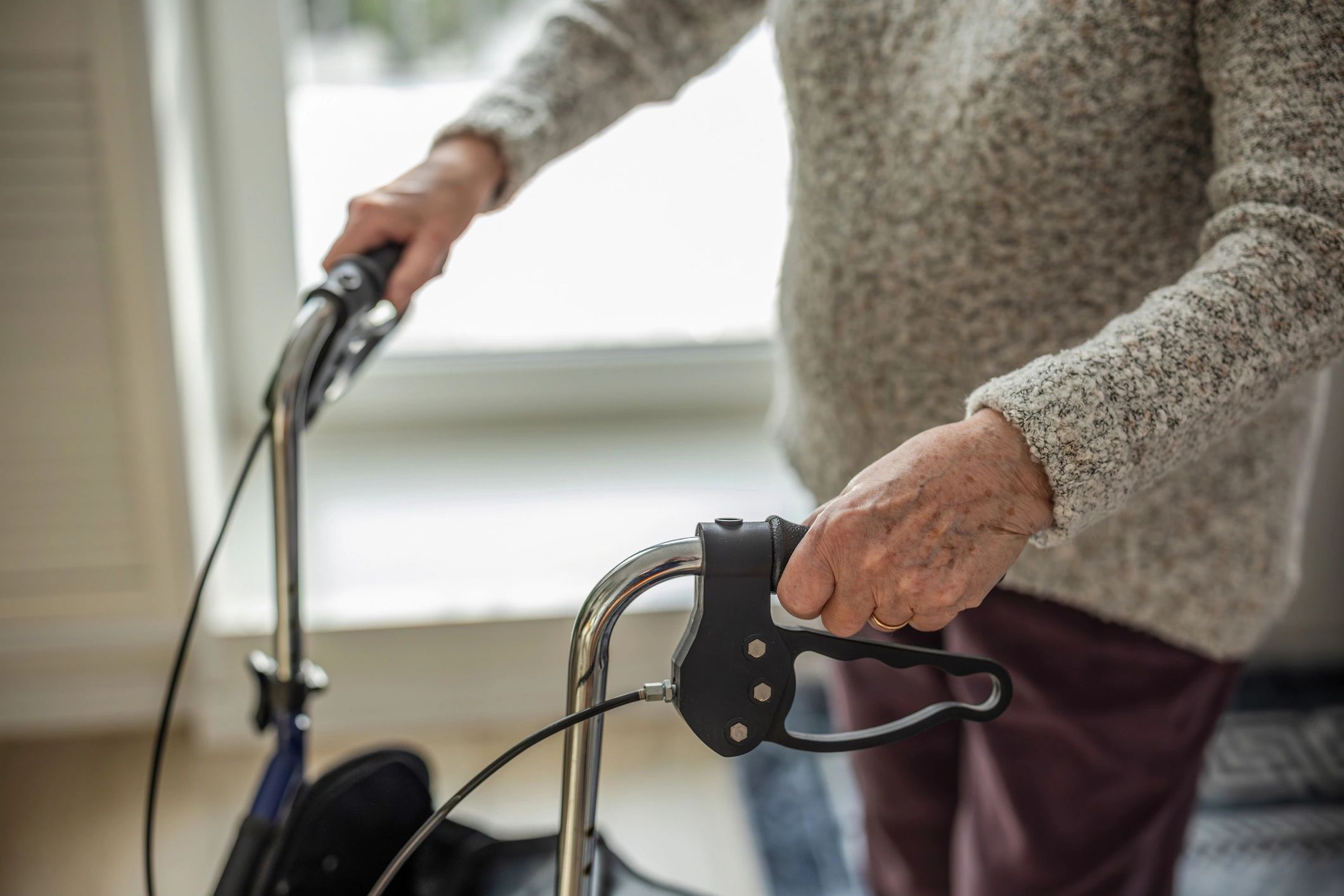
Canes, walkers, and rollators are valuable tools when used correctly, but many seniors resist them or use them improperly. A physical therapist can recommend the right device and ensure it is properly fitted. Accessories like upgraded cane tips for better traction and gait belts for caregiver-assisted transfers also reduce risk.
➤ See our Mobility Accessories category for cane tips, transfer aids, portable ramps, and adaptive clothing.
When to Seek Professional Evaluation
Anyone who has fallen — even once without injury — should discuss it with their healthcare provider. Falls are frequently underreported because people feel embarrassed or assume nothing can be done. In reality, a fall is often an early warning sign that something needs medical attention.
Other signals that warrant evaluation include near-falls or frequent stumbling, feeling unsteady when walking or rising from a chair, dizziness when changing positions, and a growing fear of falling that limits daily activity. Early assessment allows for individualized interventions — medication adjustments, physical therapy referrals, vision correction, or home safety evaluations — that can prevent a more serious fall down the road.
The Caregiver’s Role in Fall Prevention
Family caregivers are often the first to notice changes in a loved one’s balance, gait, or confidence. If you’re caring for an aging parent, pay attention to how they move through their home. Are they gripping furniture for support? Avoiding stairs? Hesitating at thresholds? These subtle behaviors often signal increased fall risk before an actual fall occurs.
Caregivers can also make the home environment safer by addressing hazards proactively, ensuring proper lighting, keeping pathways clear, and installing supportive products like grab bars and transfer aids. Equipment like slide sheets and transfer boards also protect the caregiver from injury during assisted movements. More information is available at the STEADI website.
➤ Visit our Caregiver Essentials guide for tools that support both the caregiver and the person in their care.
Prevention Starts Before the First Fall
Preventing falls is about more than avoiding injury. It is about preserving confidence, mobility, independence, and quality of life. The most effective approach combines regular exercise, medical oversight, and a safe home environment — and the best time to start is before a fall happens, not after.
Small steps today can prevent serious problems tomorrow. Start with the highest-risk areas — the bathroom, the bedroom, and the stairways — and build from there. Talk to your doctor about fall risk. Review medications. Begin a simple balance routine. Each action you take reduces the odds of a fall and strengthens the foundation for safe, independent living.
➤ Ready to take the first step? Explore our complete Fall Prevention and Home Safety product guides.
Frequently Asked Questions
What is the number one cause of falls in older adults?
Muscle weakness, particularly in the legs and core, is consistently identified as the strongest single risk factor for falls. It is also one of the most modifiable — regular strength and balance exercises can significantly reduce risk at any age.
How can I tell if my parent is at risk of falling?
Watch for changes in how they move: gripping furniture for balance, avoiding stairs, shuffling rather than stepping, hesitating at doorways, or expressing fear of falling. Any of these signs warrants a conversation with their doctor. A history of even one previous fall is also a significant risk factor.
Do grab bars really prevent falls?
Yes. Bathroom grab bars are one of the most effective and affordable fall prevention measures. Falls in the bathroom — getting in and out of the tub, rising from the toilet, or stepping on wet surfaces — account for a large share of senior falls at home. Properly installed grab bars provide stable support during these high-risk moments.
What exercises help prevent falls?
Tai chi is the most studied and consistently effective exercise for fall prevention. Chair yoga, standing balance exercises, heel-to-toe walking, and structured physical therapy programs also show strong results. The key is regularity — two to three sessions per week of 20 to 30 minutes is enough to see meaningful improvement.
Written by the AgingWell.info Editorial Team — professionals with hands-on experience in senior care, working alongside geriatricians, registered nurses, hospice specialists, and pharmacists to bring you product guidance you can genuinely trust. Every recommendation is informed by clinical expertise, not just online reviews.
Disclaimer: The information on AgingWell.info is for general informational purposes only. It is not medical advice and does not create a doctor-patient relationship. Always consult your physician or licensed healthcare professional for personalized recom